Alors que les robots humanoïdes passent des laboratoires de recherche aux usines, aux hôpitaux et aux environnements de service, une question clé émerge :Qu’est-ce qui permet à ces machines de se déplacer, de penser et d’interagir avec autant de précision ?
Derrière chaque robot humanoïde se cache un réseau complexe desystèmes de gestion de l'énergie, entraînements de moteur, circuits de contrôle EMI et convertisseurs DC-DC à haut rendement– qui reposent tous fortement sur des composants magnétiques avancés.
Pour les fabricants de composants commeShinhom, l’évolution rapide de la robotique humanoïde représente une opportunité importante pour prendre en charge les systèmes d’alimentation robotiques de nouvelle génération.
Pourquoi les robots humanoïdes nécessitent une puissance magnétique avancée
Les robots humanoïdes sont fondamentalement différents des robots industriels traditionnels. Leur mouvement semblable à celui d’un humain nécessite :
-
Plusieurs servomoteurs à couple élevé
-
Systèmes de contrôle en temps réel
-
Fonctionnement à haute efficacité alimenté par batterie
-
Dispositions internes compactes
-
Compatibilité électromagnétique stricte (CEM)
Chaque articulation d'un robot humanoïde peut contenir son propre pilote de moteur et son propre tableau de commande. Cela augmente considérablement la demande pour :
-
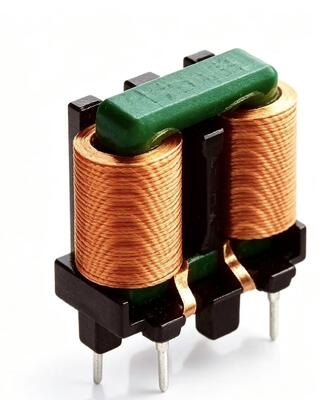
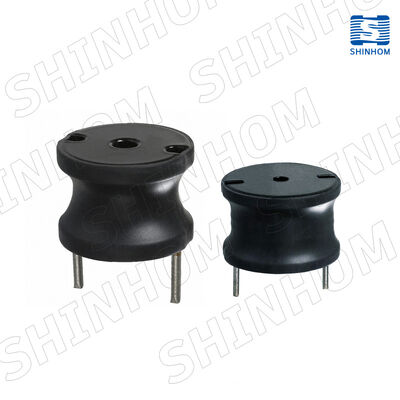
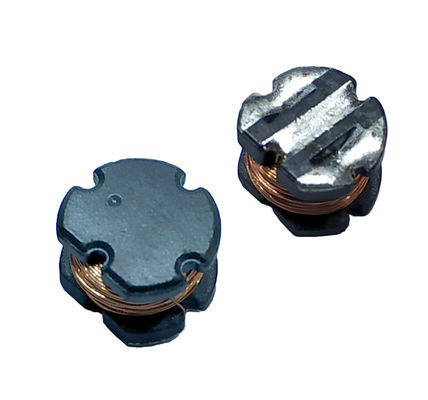
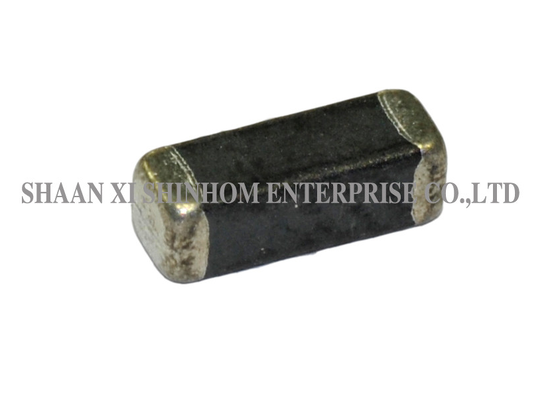
Inductances à courant élevé
-
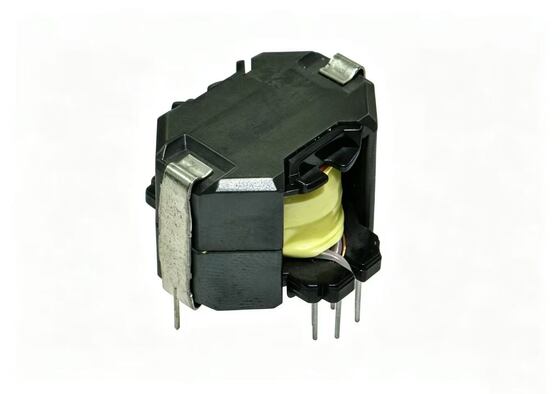
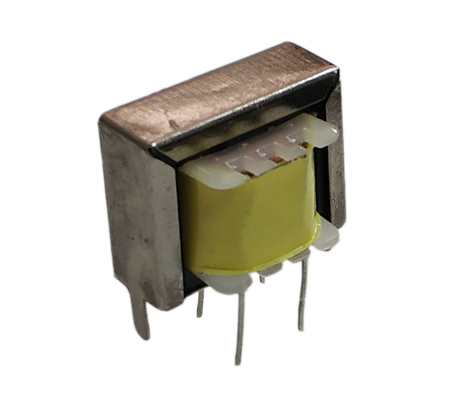
Transformateurs à faibles pertes
-
Composants de suppression EMI
-
Magnétique de conversion de puissance compact
En bref, les robots humanoïdes sont essentiellement des plateformes mobiles d’électronique de puissance.
Efficacité énergétique : un défi crucial en robotique humanoïde
La durée de vie de la batterie constitue l’un des plus grands défis techniques du développement de robots humanoïdes. Une conversion efficace de l’énergie affecte directement :
-
Temps de fonctionnement
-
Performance thermique
-
Fiabilité du système
-
Poids total du robot
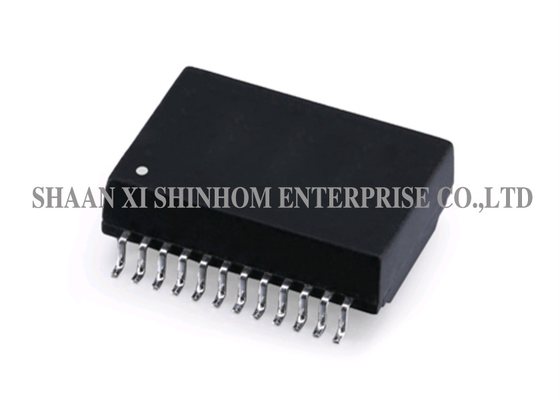
Composants magnétiques hautes performances tels queinducteurs à fil plat, les transformateurs haute fréquence et les filtres EMI de précision aident à réduire les pertes de commutation et à améliorer la densité de puissance globale.
Une résistance CC inférieure (DCR) dans les inducteurs, des matériaux de base optimisés et une dissipation thermique améliorée contribuent tous à prolonger l'autonomie de la batterie, un avantage essentiel dans les applications humanoïdes.
Contrôle EMI dans les systèmes robotiques complexes
Les robots humanoïdes intègrent :
Ces sous-systèmes génèrent des interférences électromagnétiques qui peuvent perturber la précision du contrôle et la stabilité des communications.
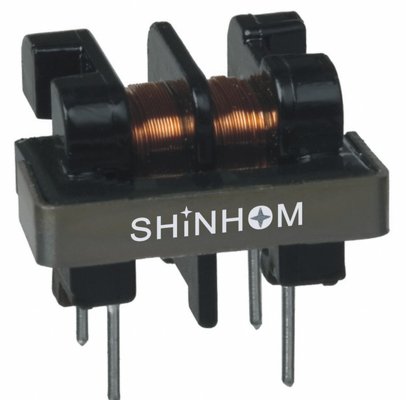
Correctement conçuFiltres EMI, noyaux de ferrite et selfs de mode communsont essentiels pour maintenir l’intégrité du signal et la conformité du système.
Les composants magnétiques jouent donc un rôle direct pour assurer :
-
Contrôle de mouvement stable
-
Retour précis du capteur
-
Communication sans fil fiable
-
Conformité réglementaire CEM
La conception compacte exige une densité de puissance élevée
Les robots humanoïdes doivent intégrer des composants électroniques avancés dans un espace interne limité tout en maintenant une répartition équilibrée du poids.
Cela crée une demande pour :
-
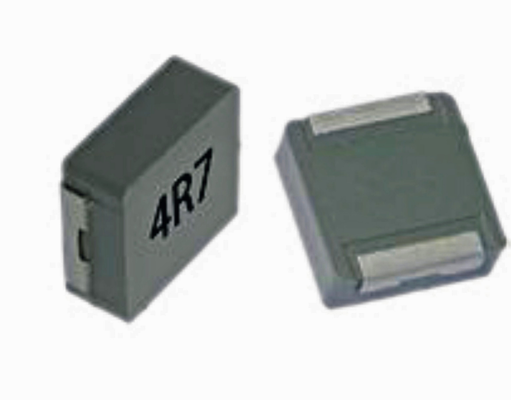
Inducteurs à profil bas
-
Transformateurs haute densité de puissance
-
Conceptions magnétiques personnalisées
-
Ensembles magnétiques intégrés
Les structures magnétiques optimisées permettent aux ingénieurs de réduire l’empreinte des PCB tout en conservant une capacité de courant élevée – une exigence clé dans les modules de commande articulés robotisés.
Solutions magnétiques personnalisées pour la robotique
Contrairement à l’électronique grand public standardisée, les robots humanoïdes nécessitent souvent des composants magnétiques sur mesure pour les raisons suivantes :
-
Dispositions mécaniques uniques
-
Exigences de tension spécialisées
-
Conditions de charge dynamique élevée
-
Des contraintes thermiques strictes
Des constructeurs capables de proposersolutions magnétiques personnalisées, les structures de base flexibles et la technologie de bobinage optimisée sont mieux placées pour soutenir l'innovation robotique.
L’opportunité de marché croissante
Alors que les robots humanoïdes se développent :
la demande de composants magnétiques fiables et à haut rendement continuera d’augmenter.
Des fournisseurs de composants qui comprennentarchitecture de puissance robotiquedeviendront des partenaires stratégiques pour permettre la création de machines intelligentes de nouvelle génération.
Conclusion
Les robots humanoïdes représentent l’un des segments de la robotique avancée à la croissance la plus rapide. Mais leurs performances ne dépendent pas seulement de l’IA et de l’ingénierie mécanique, elles dépendent aussi decomposants magnétiques efficaces, compacts et fiables.
En prenant en charge la conversion de puissance à courant élevé, la suppression des interférences électromagnétiques et la stabilité thermique, le magnétisme avancé constitue l'épine dorsale cachée de la robotique humanoïde.
À mesure que l’industrie de la robotique s’accélère, l’innovation en matière de composants magnétiques jouera un rôle décisif dans l’avenir de la collaboration homme-machine.

 Votre message doit contenir entre 20 et 3 000 caractères!